
FREQUENTLY ASKED QUESTIONS
Can Dr. Gary’s dog food help with my dog’s itching?
Yes, it can — especially if your dog’s itching is linked to food sensitivities. Dr. Gary’s recipes are made with high-quality proteins and avoid common fillers like corn, wheat, and soy, which often trigger reactions.
What ingredients in Dr. Gary’s formulas support skin health?
Most formulas include omega-3 and omega-6 fatty acids from sources like salmon oil or flaxseed. These help improve skin hydration, reduce inflammation, and promote a healthy, shiny coat.
Which formulas are best for dogs with food sensitivities?
We recommend:
-
Salmon with Vegetables: Great for dogs sensitive to chicken or beef.
-
Holistic Grain-Free: Ideal for dogs avoiding common grains.
-
Working Dog or Field Dog Diets: Perfect for active dogs needing skin-supportive nutrients.
What if my dog has a true food allergy?
If your dog has a diagnosed allergy to a specific protein (like chicken or lamb), check the ingredient list carefully. You may need a single-protein, limited-ingredient formula — or reach out for informed advise.
Will this food help if my dog’s itching isn’t food-related?
No. If the cause is environmental (like pollen or dust), parasites (fleas or mites), or skin infections (yeast or bacteria), a dietary change alone may not help.
How long should I wait to see results after switching food?
Give it 4 to 6 weeks to assess changes in your dog’s skin and coat condition. Keep notes on symptoms, and avoid switching foods too quickly.
Should I consult a vet before switching dog food?
Yes — especially if your dog has chronic symptoms, known allergies, or other health issues. A vet can help confirm whether a food trial is the right next step.
Yes, it can — especially if your dog’s itching is linked to food sensitivities. Dr. Gary’s recipes are made with high-quality proteins and avoid common fillers like corn, wheat, and soy, which often trigger reactions.
Most formulas include omega-3 and omega-6 fatty acids from sources like salmon oil or flaxseed. These help improve skin hydration, reduce inflammation, and promote a healthy, shiny coat.
We recommend:
-
Salmon with Vegetables: Great for dogs sensitive to chicken or beef.
-
Holistic Grain-Free: Ideal for dogs avoiding common grains.
-
Working Dog or Field Dog Diets: Perfect for active dogs needing skin-supportive nutrients.
If your dog has a diagnosed allergy to a specific protein (like chicken or lamb), check the ingredient list carefully. You may need a single-protein, limited-ingredient formula — or reach out for informed advise.
No. If the cause is environmental (like pollen or dust), parasites (fleas or mites), or skin infections (yeast or bacteria), a dietary change alone may not help.
Give it 4 to 6 weeks to assess changes in your dog’s skin and coat condition. Keep notes on symptoms, and avoid switching foods too quickly.
Yes — especially if your dog has chronic symptoms, known allergies, or other health issues. A vet can help confirm whether a food trial is the right next step.
Can switching to a raw diet help with skin issues?
Yes. Raw diets often eliminate fillers and grains that can trigger sensitivities and include nutrients that promote healthy skin and coat.
What proteins are best when starting raw for sensitive pets?
Choose a novel protein (one your pet hasn’t had before):
-
Dogs: Duck, Rabbit, Venison, or Turkey
-
Cats: Rabbit, Turkey, or Lamb
How do I transition my pet to a raw diet safely?
-
Make the switch gradually over 7–10 days
-
Start with a balanced, single-protein formula
-
Consult your local pet nutritionist at Derby Paws
-
Always choose complete & balanced raw food (not just raw meat)
Can raw diets cause new allergies?
It’s rare, but possible over time. To reduce risk:
-
Rotate proteins regularly
-
Avoid feeding the same food every day
-
Watch for any new signs of sensitivity
Can I add fresh or raw food to my pet’s kibble?
Yes — even small additions can make a big difference! Benefits include:
-
Nutritional variety (natural enzymes, vitamins, and minerals)
-
Hydration (fresh foods have higher moisture)
-
Improved digestion and palatability
-
Mental stimulation through variety
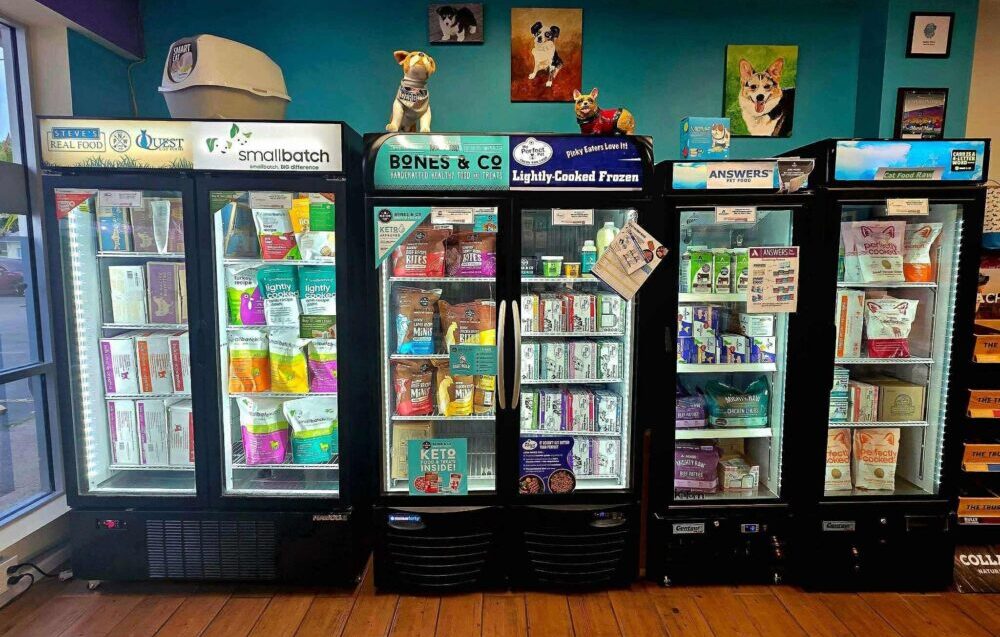
Recommended balanced brands:
-
Smallbatch
-
My Perfect Pet
-
Steve’s Real Food
-
Bones N Co
-
Koha
Consult us at Derby Paws to find the best fit for your dog or cat.
How do I know how much raw food to feed my pet?
Every pet is unique. That’s why we recommend starting with our Raw Pet Food Feeding Calculator — it tailors portion sizes based on your pet’s weight, age, and activity level.
👉 Use the Calculator
Yes. Raw diets often eliminate fillers and grains that can trigger sensitivities and include nutrients that promote healthy skin and coat.
Choose a novel protein (one your pet hasn’t had before):
-
Dogs: Duck, Rabbit, Venison, or Turkey
-
Cats: Rabbit, Turkey, or Lamb
-
Make the switch gradually over 7–10 days
-
Start with a balanced, single-protein formula
-
Consult your local pet nutritionist at Derby Paws
-
Always choose complete & balanced raw food (not just raw meat)
It’s rare, but possible over time. To reduce risk:
-
Rotate proteins regularly
-
Avoid feeding the same food every day
-
Watch for any new signs of sensitivity
Yes — even small additions can make a big difference! Benefits include:
-
Nutritional variety (natural enzymes, vitamins, and minerals)
-
Hydration (fresh foods have higher moisture)
-
Improved digestion and palatability
-
Mental stimulation through variety
Recommended balanced brands:
-
Smallbatch
-
My Perfect Pet
-
Steve’s Real Food
-
Bones N Co
-
Koha
Consult us at Derby Paws to find the best fit for your dog or cat.
Every pet is unique. That’s why we recommend starting with our Raw Pet Food Feeding Calculator — it tailors portion sizes based on your pet’s weight, age, and activity level.
👉 Use the Calculator
Why is my dog or cat constantly itching or scratching?
Itching can be caused by:
-
Food allergies or sensitivities
-
Fleas, mites, or other parasites
-
Environmental allergens (dust, pollen, mold)
-
Yeast or bacterial infections (Goat milk may help with yeast build-up)
-
Dry skin or a poor-quality coat
How do I know if my pet has a food allergy?
Watch for these signs:
-
Itchy ears, paws, or belly
-
Frequent ear infections
-
Red or inflamed skin
-
Soft stools or occasional vomiting
If these symptoms persist year-round, diet may be the cause.
What shampoos are good for itchy or sensitive skin?
Look for soothing, non-irritating formulas like:
-
-
Colloidal oatmeal shampoos – for moisturizing relief
-
Aloe vera & chamomile – to calm irritation
-
Medicated shampoos – (e.g., chlorhexidine or antifungal) for yeast/bacterial infections
-
Fragrance-free/hypoallergenic – for allergy-prone pets
-
-
Recommended Brands:
-
Pet Releaf – Itchy Skin Formula
-
Nootie – Sensitive Skin Line
-
Derma Pooch – A trusted local favorite
-
What if my dog has a true food allergy?
If your dog has a diagnosed allergy to a specific protein (like chicken or lamb), check the ingredient list carefully. You may need a single-protein, limited-ingredient formula — or in some cases, a prescription hypoallergenic diet from your vet.
Will this food help if my dog’s itching isn’t food-related?
No. If the cause is environmental (like pollen or dust), parasites (fleas or mites), or skin infections (yeast or bacteria), a dietary change alone may not help. Always consult your vet if the itching is severe or persistent.
How long should I wait to see results after switching food?
Give it 4 to 6 weeks to assess changes in your dog’s skin and coat condition. Keep notes on symptoms, and avoid switching foods too quickly.
Itching can be caused by:
-
Food allergies or sensitivities
-
Fleas, mites, or other parasites
-
Environmental allergens (dust, pollen, mold)
-
Yeast or bacterial infections (Goat milk may help with yeast build-up)
-
Dry skin or a poor-quality coat
Watch for these signs:
-
Itchy ears, paws, or belly
-
Frequent ear infections
-
Red or inflamed skin
-
Soft stools or occasional vomiting
If these symptoms persist year-round, diet may be the cause.
Look for soothing, non-irritating formulas like:
-
-
Colloidal oatmeal shampoos – for moisturizing relief
-
Aloe vera & chamomile – to calm irritation
-
Medicated shampoos – (e.g., chlorhexidine or antifungal) for yeast/bacterial infections
-
Fragrance-free/hypoallergenic – for allergy-prone pets
-
-
Recommended Brands:
-
Pet Releaf – Itchy Skin Formula
-
Nootie – Sensitive Skin Line
-
Derma Pooch – A trusted local favorite
-
If your dog has a diagnosed allergy to a specific protein (like chicken or lamb), check the ingredient list carefully. You may need a single-protein, limited-ingredient formula — or in some cases, a prescription hypoallergenic diet from your vet.
No. If the cause is environmental (like pollen or dust), parasites (fleas or mites), or skin infections (yeast or bacteria), a dietary change alone may not help. Always consult your vet if the itching is severe or persistent.
Give it 4 to 6 weeks to assess changes in your dog’s skin and coat condition. Keep notes on symptoms, and avoid switching foods too quickly.